“I don't regret the things I gave” is a line in Tee’s poem “The Things I Didn’t Say”. Gosh, isn't that just central to recovery? Knowing that something happened that took something from you and whether good or bad you feel a gladness that it happened. It is a part of your story that moulded who you are. You made it past it, onwards, with a heart still open to giving again - “to move on without dragging ghosts," as Tee does in their poem in the following article. Tee’s work reminds us that hearts break but they also mend, like little Kintsugi bowls, lined with gold, accepting of imperfection, impermanence, and incompleteness.
Please be mindful that WSR content can be thematically sensitive.
Tee
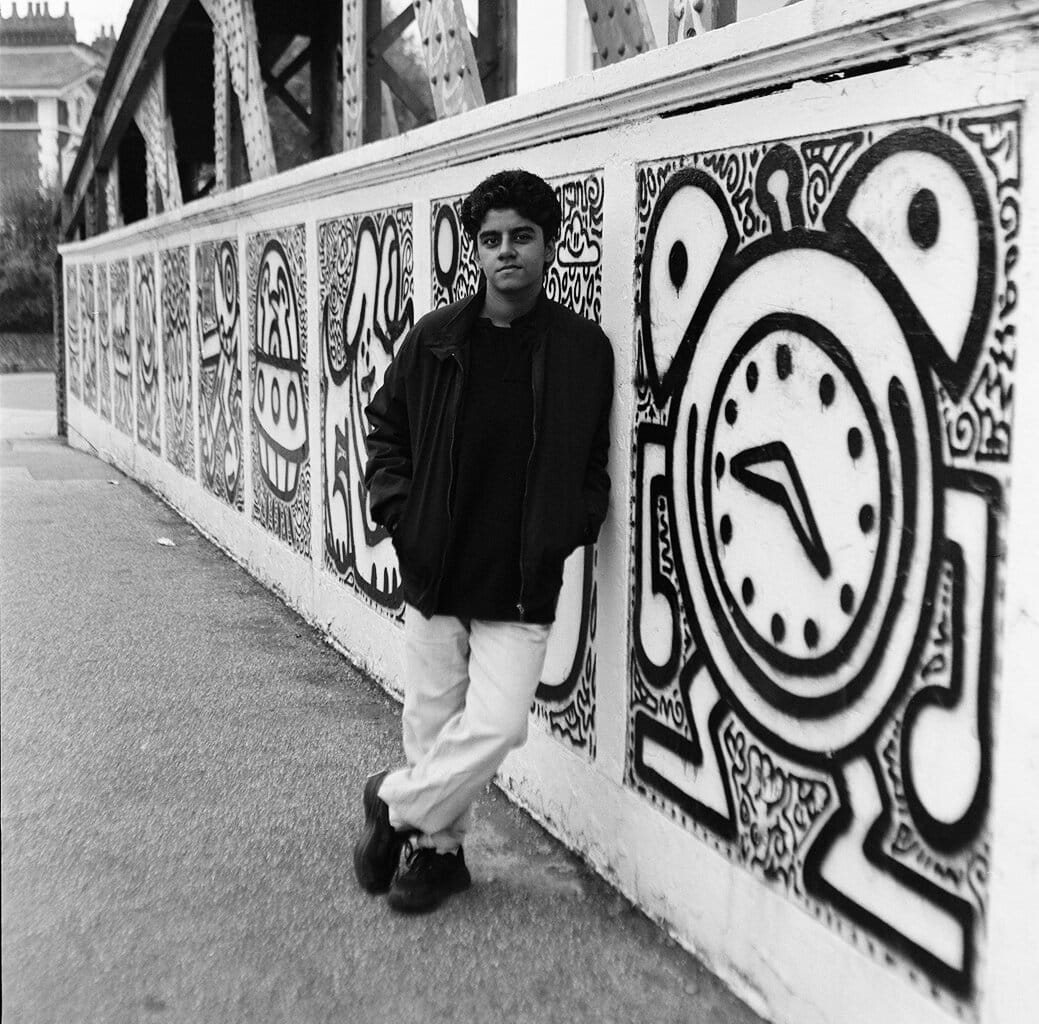
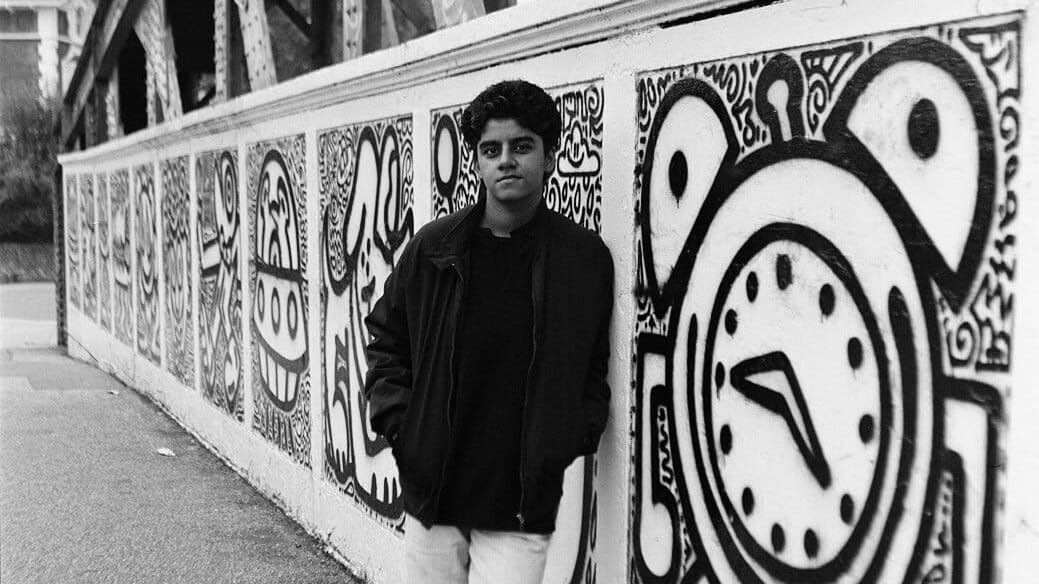
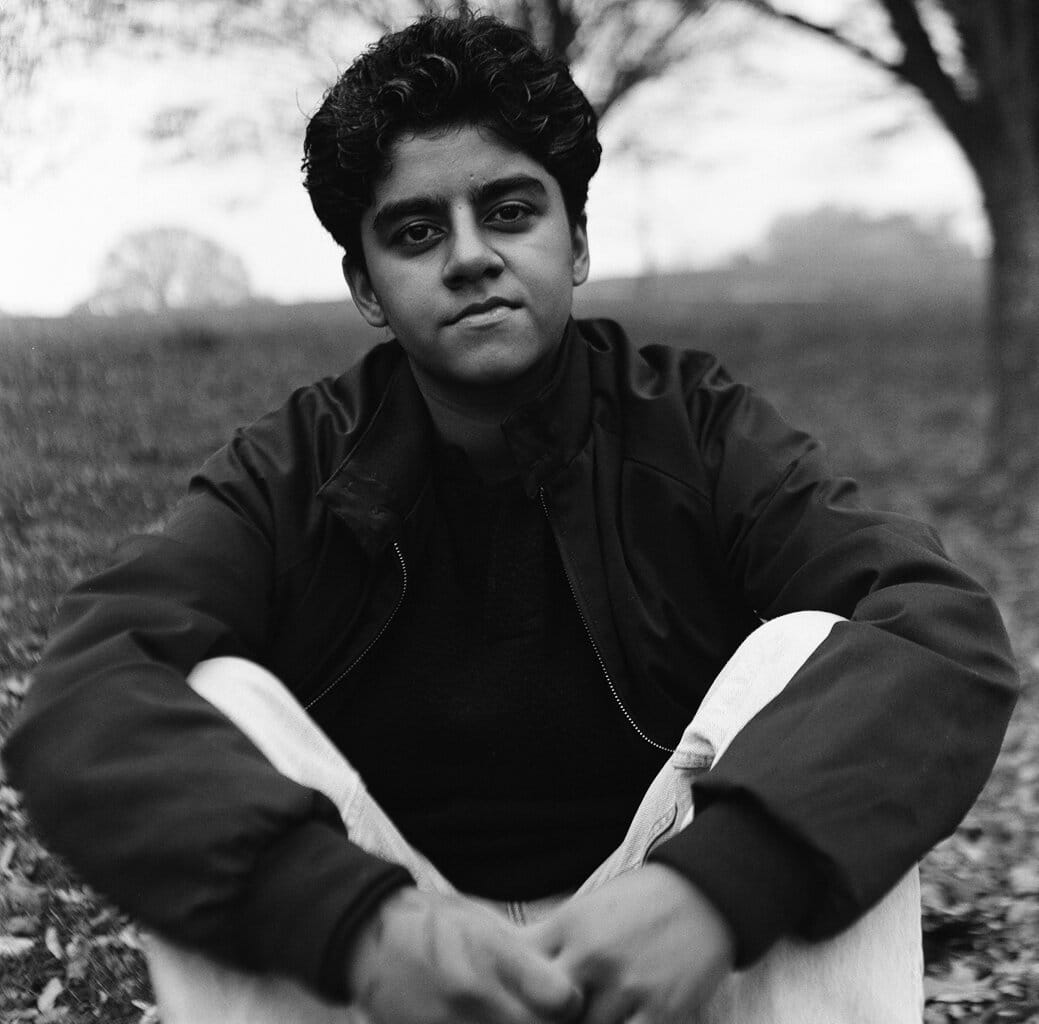
My name is Tee Rahman, and I’m a London based poet and spoken word artist. I’m South Asian, queer and neurodivergent, and those parts of my identity influence the questions I return to in my writing: where we belong, how we allow ourselves to be seen, and what happens to the feelings we struggle to say out loud.
I write about relationships, uncertainty, identity, loss and the quieter moments of becoming yourself. I’m interested in the distance between what happens on the outside and what happens inside our heads. You can be starting a new job, falling for someone or going about an ordinary day while your mind is preparing for everything to disappear. Poetry gives me room to explore that tension without having to resolve it by the last line.
A lot of my writing sits between wanting closeness and being frightened of what closeness asks of us. I’m drawn to the small details through which people reveal themselves: a nickname, a walk together, an unfinished conversation, the way a place becomes connected to someone. Those details can carry feelings that are difficult to explain directly. Writing about them allows me to approach something vulnerable without forcing it into a neat account of what happened.
My background also includes youth outreach and community work, which has shaped how I think about whose voices get heard. I care about creating spaces where people can arrive as they are, without needing to sound polished or have everything figured out. I want there to be room for people who have something to express but aren’t yet sure how to begin.
I’m getting involved in Write Speak Recover because I recognise the value of having somewhere to put an experience before you know what to do with it. There are feelings I can approach on a page more easily than in conversation. Writing gives me time to find the words, change my mind and understand what I’m actually trying to say.
For me, recovery is ongoing and sometimes difficult to recognise while it’s happening. Some days it means understanding an old feeling differently. Other days it means allowing something good to happen without immediately anticipating its end. I want my writing to leave space for that uncertainty, and for the possibility of tenderness within it.
Sharing something personal can feel exposing, but there is also connection in hearing someone say that a line has expressed something they couldn’t explain. That is what draws me to this project: the chance to contribute honestly, to listen to other people’s experiences, and to be part of a conversation where healing doesn’t have to look the same for everyone.
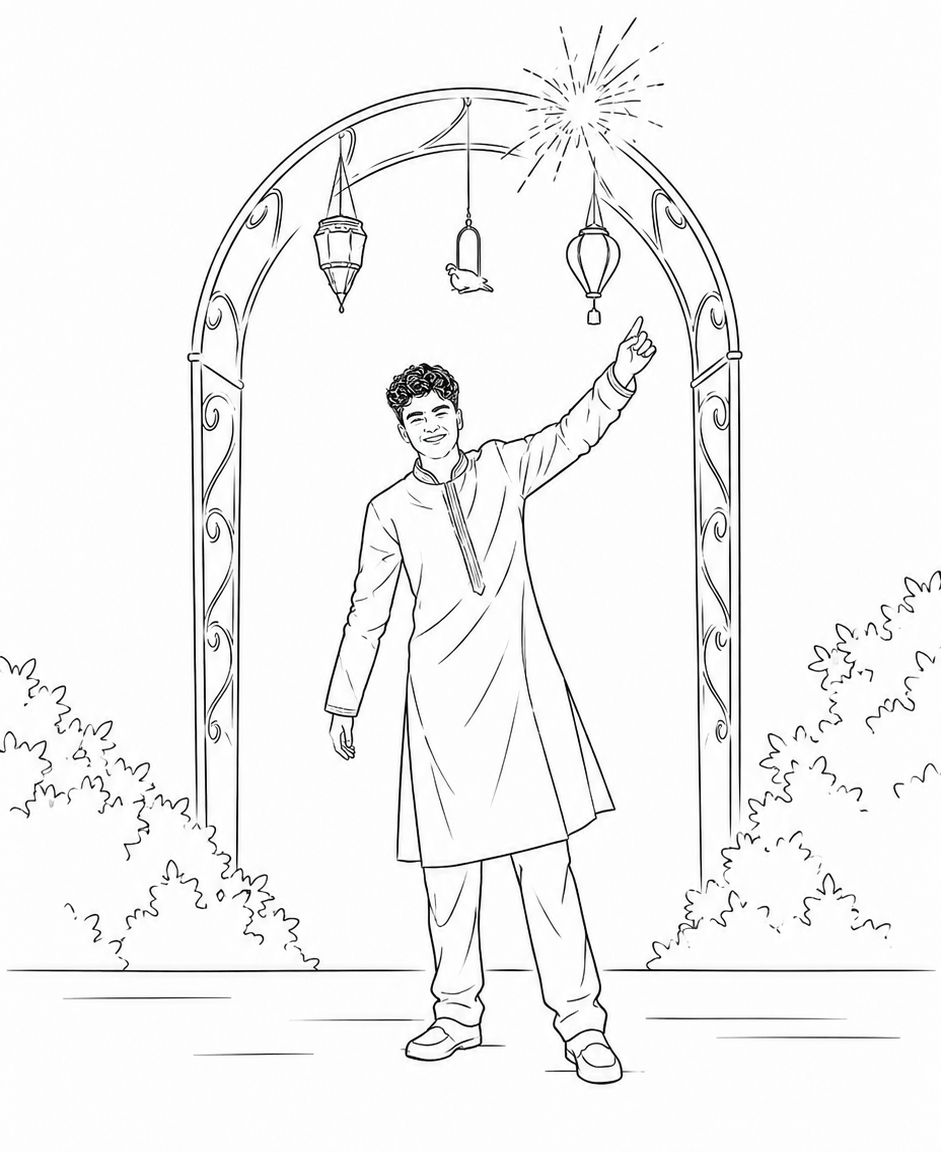
After the Storm, I Name Myself
There was a time
I mistook your silence for calm,
your distance for depth,
your leaving for something I had earned.
I kept trying to hold up the sky for both of us,
hands trembling,
shoulders splitting,
while you wandered beneath it
as if the weather was never your concern.
I learned to apologise
for the echoes of your footsteps.
I learned to heal
in the shadows you left behind.
I stitched myself together
with threads you refused to touch,
called it love,
called it patience,
called it anything but abandonment
because the truth was a door
I wasn’t ready to open.
But storms teach names to everything they break.
And I learned
yours was never “home.”
It was “warning.”
“Fault line.”
“Flight.”
You moved through endings
like they were brief seasons—
a coat shrugged off,
a leaf discarded—
leaving me with the aftermath,
the unspoken,
the bone-deep knowing
that some people vanish
to avoid the mirror
more than the moment.
And still,
you wanted the world to bend around you,
as if my orbit was a nuisance,
as if the places I breathed
belonged to you by right.
But I no longer fold myself
to fit into shrinking rooms.
Now,
I am learning to walk without recoiling,
to speak without swallowing the sound,
to move on without dragging ghosts behind me.
I am learning the taste of my own voice—
bitter at first,
then pleasant.
I am finding the shape of myself
in quiet mornings
and choices made without fear.
You will not be the author
of the story you never completed.
I have taken back the pen.
I am writing in a language
you never bothered to learn.
And in this new chapter,
I rise.
Unhidden.
Returned to myself.
Light gathering in the places
you once left hollow.
On the writing process
If I’m very honest, I don’t read many poets, but I do love an open mic - Crossword Lyric is my favourite and I’m a fan of BYOB Wembley and Window to the Spirits. My favourite books are The Alchemist by Paulo Coelho, All About Love and The Will to Change by bell hooks, The Brothers Karamazov by Fyodor Dostoevsky and The Master and Margarita by Mikhail Bulgakov. I feel like all these books left a lot with me. I like to read poetry and short essays on Medium, there I often find very relatable, very grounding and very eye-opening works - all very clarifying in a way, but I have no particular favourites.
Favourite poets, poetry nights, books or other resources
Rupi Kaur, Celia Martinez and Sonny Green
Books: Milk and Honey by Rupi Kaur
Poetry night: Spit Nights
I’m particularly drawn to poetry that feels intimate and conversational, especially work exploring identity, relationships, belonging and uncertainty. I value spaces where emerging writers feel comfortable sharing something vulnerable and where listening is as important as performing.
Closing Remarks
I hope someone reading my work feels a little less alone in having complicated feelings about good things, difficult changes or starting again. You don’t need to have made sense of an experience before you deserve to be heard.
Sometimes finding the first honest sentence is enough for that day.
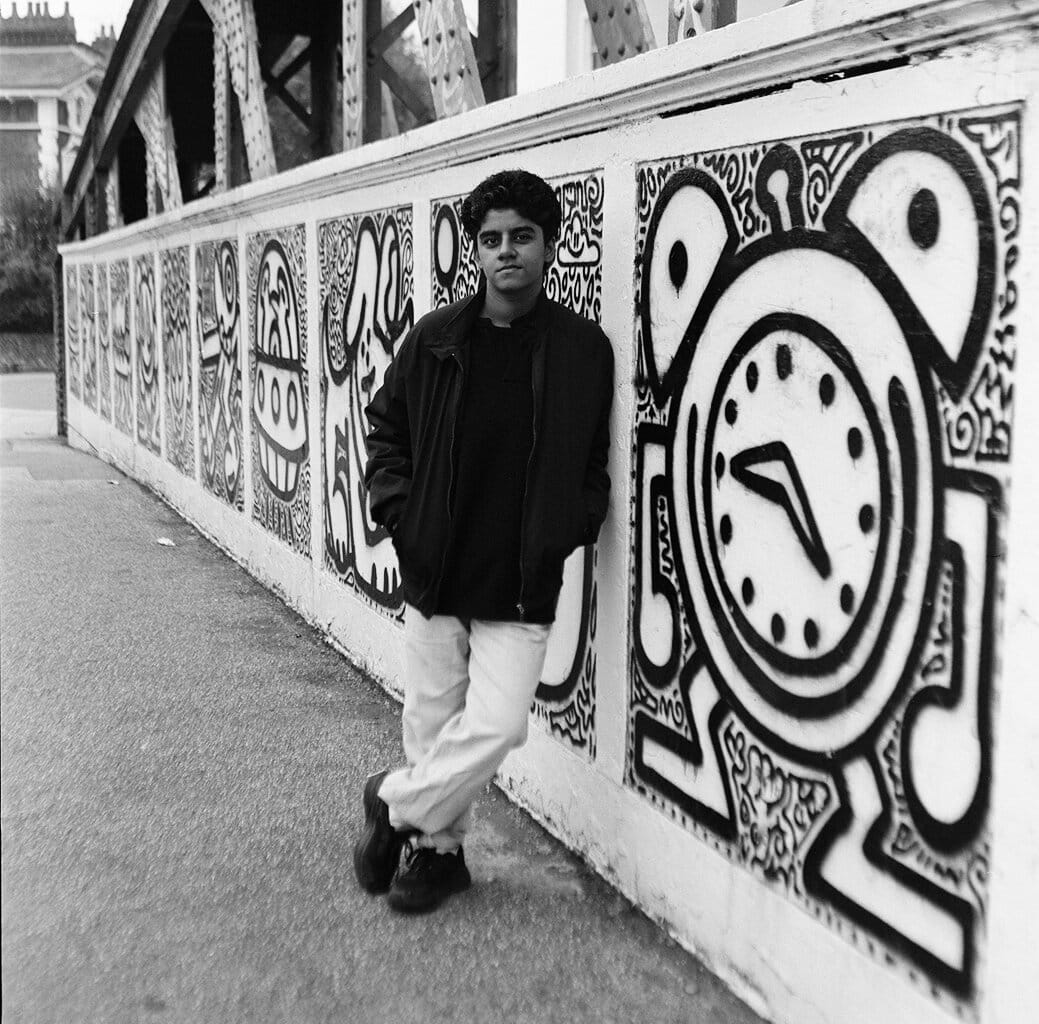
Write Speak Recover, in collaboration with TheNeverPress is an open, free collection of original portraits of poets using their art to find strength in their recovery journey from any form of dis-ease.
We invite you to follow Write Speak Recover on Instagram and to reach out to Tim Foley at WSR or us directly at the zine to learn more, or put yourself forward to be featured in this initiative.
Hit the logo for more Write Speak Recover content 👇
If you need support, here are some resources:
Samaritans
Alcohol Change
Recovery Dharma
Alcoholics Anonymous
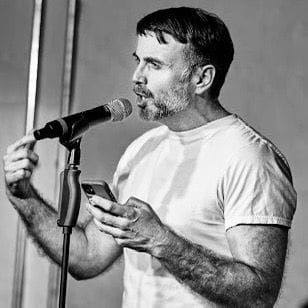
This article was brought to you by Tim Foley and Graham Thomas.